

Safety Rules You Should Know Before Boarding a Yacht
Before boarding a yacht, know the essential safety rules. From life jackets to emergency protocols, stay prepared and enjoy your time on the water confidently.
There’s nothing quite like cruising along Dubai’s shimmering coastline, the skyline glittering behind you, the sea breeze in your face, and the iconic Palm Jumeirah in view. But before you step on board, there’s one thing that comes before the champagne, the sun deck, and the golden-hour photos: safety.
Whether you’re a first timer or a seasoned sea-goer, knowing the yacht safety rules is not just a formality, it’s what makes every great experience on the water possible. This guide covers everything you need to know, from the essential yacht safety checklist to life jacket rules on a yacht, onboard behavior, and Dubai-specific regulations.
Why Yacht Safety Rules Matter More Than You Think
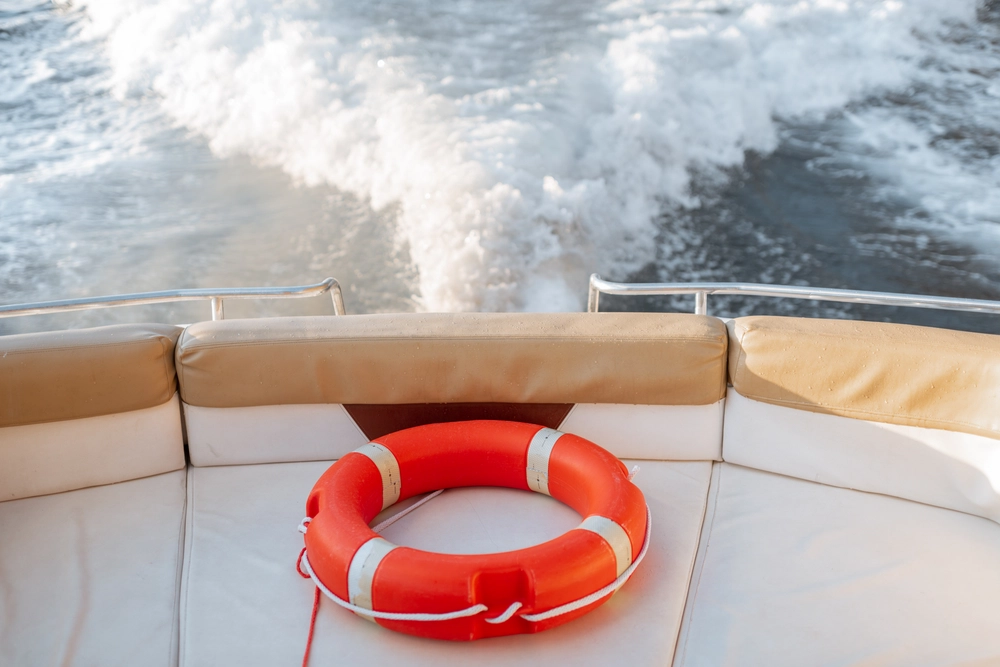
The ocean, or in Dubai’s case, the Arabian Gulf, is a dynamic environment. Weather can shift, currents can change, and even on the calmest day, unexpected situations can arise. Following proper boat safety rules before boarding dramatically reduces risk and ensures everyone on board has a safe, uninterrupted experience.
At Prime Yacht Rental, every vessel in our fleet is fully licensed, crewed by certified professionals, and equipped with coast guard-approved safety gear. But as a guest, your awareness and cooperation are equally important.
1. Attend the Safety Briefing — No Exceptions
The very first yacht safety tip for beginners is simple: listen to the safety briefing. Before the yacht leaves the marina, the captain or crew will walk you through:
Never skip this briefing or treat it as background noise. If anything is unclear, ask. A professional crew will always be happy to clarify, it’s their job and their priority.
- Location of all safety equipment on board
- Emergency exits and evacuation procedures
- Rules around swimming and water activities
- What to do if someone falls overboard
- Dubai Coastguard regulations specific to your trip
2. Yacht Safety Checklist: What to Verify Before Departure
Before your charter sets sail, run through this quick yacht safety checklist, or confirm with your charter company that all of the following are in place:
Life Jackets
Fire Extinguishers
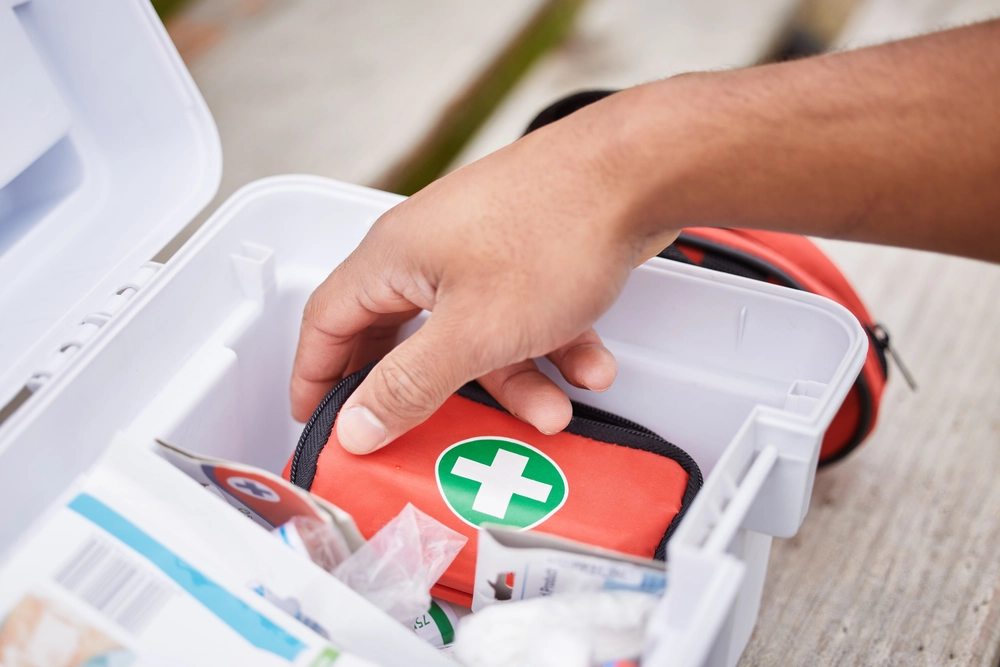
First Aid Kit
Flares & Distress Signals
Navigation & Communication Equipment
Bilge Pumps & Hull Integrity
- One properly sized life jacket for every passenger on board
- Life jackets stored in an easily accessible location
- Children’s life jackets available if minors are joining
- At least one working fire extinguisher in the main cabin and engine area
- All guests informed of its location
- Fully stocked with bandages, antiseptics, seasickness tablets, and basic medications
- Easily accessible to crew at all times
- Visual distress flares stored in a dry, accessible place
- Functioning distress signal system in case of emergency
- GPS and radar systems operational
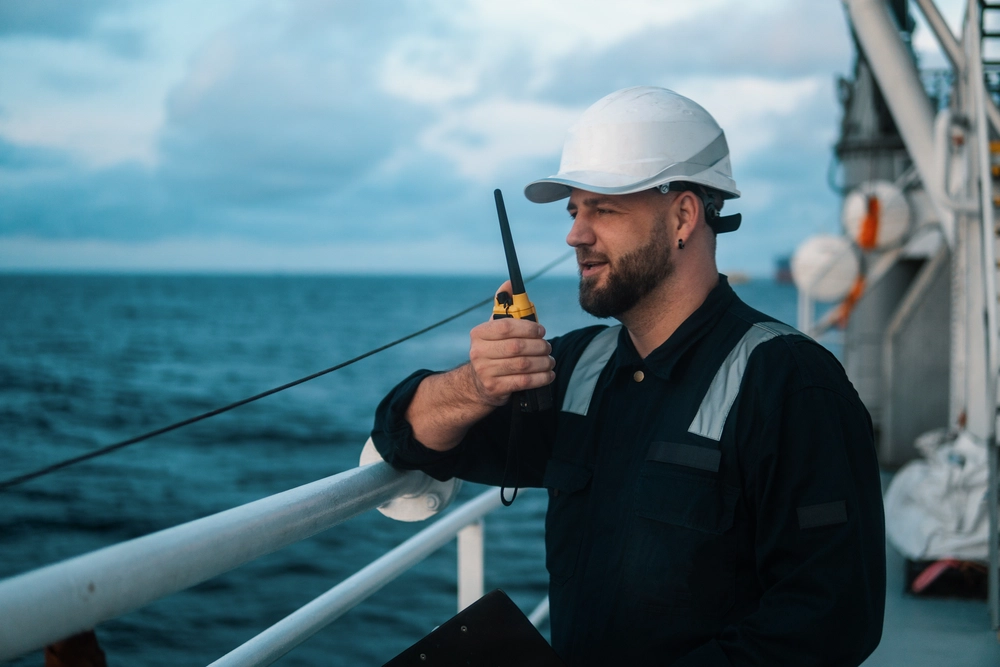
- VHF radio in working order for communication with the Coastguard
- Mobile phone charged and on board
- Bilge pumps operational and on automatic setting
- No visible cracks, damage, or leaks in the hull
3. Life Jacket Rules on a Yacht — Know Before You Go
Understanding the life jacket rules on a yacht is one of the most critical aspects of maritime safety. Here’s what applies in Dubai:
Even if you’re a strong swimmer, a life jacket is non negotiable in an emergency. The Arabian Gulf waters can be deceptively challenging, especially at night or in wind conditions.
- Life jackets are mandatory for children at all times while on deck
- Adults should wear life jackets in rough seas or during any water activity
- During a safety emergency, all passengers must put on life jackets immediately upon crew instruction
- Life jackets must be properly fitted, a loose life jacket provides significantly less protection
- Do not leave life jackets stored in hard-to-reach areas once at sea
4. Respect Passenger Capacity Limits
Every yacht in Dubai operates with an approved maximum passenger capacity set by the Dubai Maritime Authority. Exceeding this number is not only illegal, it’s dangerous.
Reputable operators like Prime Yacht Rental will never allow overbooking, your safety depends on it.
- Never bring more guests than the yacht is certified to carry
- Confirm final guest numbers with your charter company the day before
- Children count toward the total passenger capacity
5. Wear the Right Footwear and Clothing
This might seem minor, but the wrong footwear causes more onboard accidents than most people realize.
Do wear:
Don’t wear:
Wet decks are slippery. Comfortable, practical clothing is not just about style, it’s a direct safety measure.
- Soft-soled, non-slip shoes or sandals
- Barefoot is acceptable on most private yacht decks
- Light, breathable clothing suited to the weather
- Swimwear under cover-ups if you plan to swim
- High heels (can damage the deck and cause falls)
- Hard-soled shoes or black-soled shoes (leave marks and reduce grip)
- Heavy or overly restrictive clothing
6. Follow Swimming Rules Strictly
Dubai’s Coastguard enforces clear rules around swimming from yachts, and violating them can lead to heavy fines and charter termination:
Always wait for the captain’s signal before entering the water, no exceptions.
- No swimming after sunset, this is a firm Coastguard regulation
- No swimming more than 3 meters from the vessel
- No jumping off the yacht while it is moving (fines can reach AED 10,000)
- No jumping off while at anchor without captain’s permission
- Swimming is only permitted at designated stops with crew approval
7. Alcohol Awareness on Board
Alcohol policies vary between charter companies, but general maritime safety rules are universal:
Enjoy the experience, just keep safety first.
- Drink in moderation, alcohol impairs balance, coordination, and judgment on a moving vessel
- No alcohol for anyone responsible for navigating — ever
- Some Dubai charter companies restrict alcohol entirely on shared cruises
- Excessive alcohol consumption can result in immediate charter termination
- Know that UAE laws apply on the water — behave accordingly
8. Know the Onboard Rules for Children
If you’re bringing kids on board, these extra precautions apply:
- Children must wear a life jacket at all times on deck
- Children under 1 year old should only be on board with explicit operator approval
- Children must always be accompanied by an adult, on deck and near water
- Inform the crew in advance so they can prepare appropriately-sized safety gear
9. Handle Seasickness Before It Starts
Seasickness can catch even experienced travelers off guard. Here are the most effective yacht safety tips for beginners dealing with motion sickness:
The crew can also adjust speed or route slightly to improve comfort. Don’t suffer in silence.
- Avoid heavy meals before boarding
- Take seasickness medication (e.g., Dramamine) at least 30–60 minutes before departure
- Stay hydrated with water throughout the trip
- If you feel unwell, tell the crew immediately, early action helps
- Sitting on the outer deck and focusing on the horizon reduces symptoms significantly
- Avoid alcohol if you’re prone to seasickness
10. Be Aware of Carbon Monoxide Risk
This is one safety hazard that most guests overlook. All combustion engines — including yacht engines — emit carbon monoxide (CO), a colorless, odorless gas that can be dangerous in enclosed spaces.
- Never sit, sleep, or spend extended time near exhaust vents
- Ensure ventilation is working in all enclosed cabin areas
- Symptoms of CO exposure mimic seasickness: nausea, dizziness, headache
- If you suspect exposure, move to open air immediately and alert the crew
11. Respect Noise and Marina Regulations
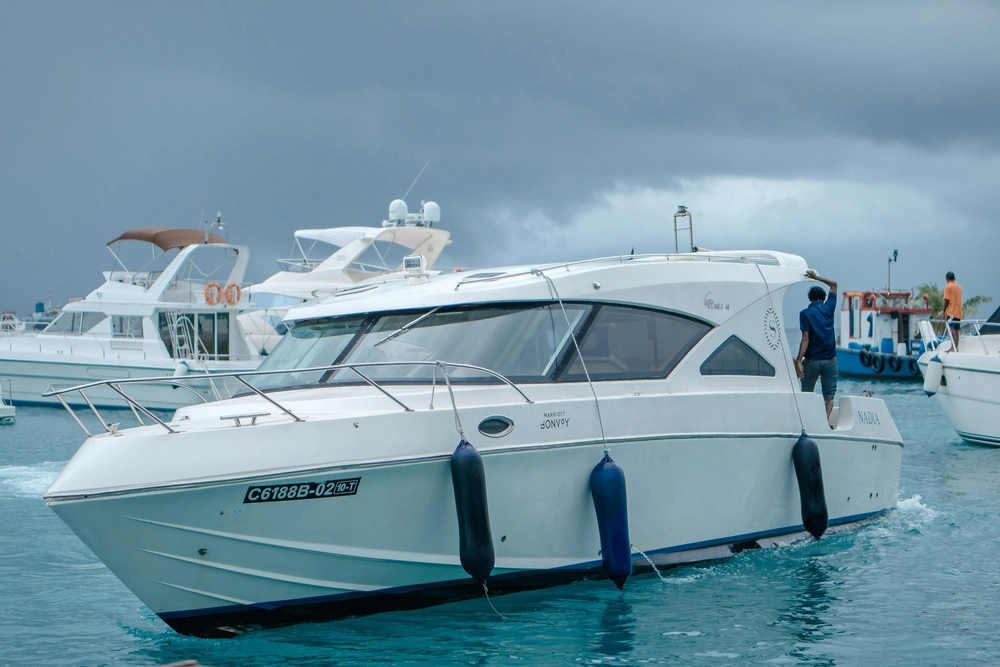
Dubai has specific rules around noise levels, especially near marinas and residential waterfronts:
Being a respectful guest on the water is part of responsible yachting.
- Keep music at a reasonable volume near marina zones
- Fireworks and external pyrotechnics are strictly prohibited
- Sharp objects, heavy fixtures, and hazardous materials are not allowed on board
- Littering in UAE waters carries fines of up to AED 5,000
Yacht Safety Equipment List: Quick Reference
Here’s your complete yacht safety equipment list to keep in mind for any charter:
Final Thoughts: Safety Makes the Experience Better
Following yacht safety rules isn’t about dampening the fun, it’s what enables the fun. When everyone on board knows the rules, listens to the crew, and respects the sea, the result is a relaxed, worry-free charter experience that you’ll want to repeat.
At Prime Yacht Rental Dubai, your safety is our highest priority. Every yacht in our fleet is fully inspected, every captain is licensed, and every charter begins with a thorough safety briefing. We take care of the details so you can focus on the experience.
Frequently Asked Questions
Are life jackets provided on Prime Yacht Rental charters?
Yes. All our yachts carry coast guard-approved life jackets for every passenger, including child-sized jackets on request.
Do I need any experience to rent a yacht in Dubai?
No prior yachting experience is needed. Our licensed captains and professional crew handle all navigation and safety — you just enjoy the ride.
What happens if the weather becomes unsafe?
If the Dubai Coastguard issues a weather warning, we will reschedule or cancel your charter with a full refund. Guest safety always comes first.
Can I swim from the yacht?
Yes, at designated stops and with captain approval. Swimming after sunset or more than 3 meters from the vessel is prohibited by Dubai Coastguard regulations.